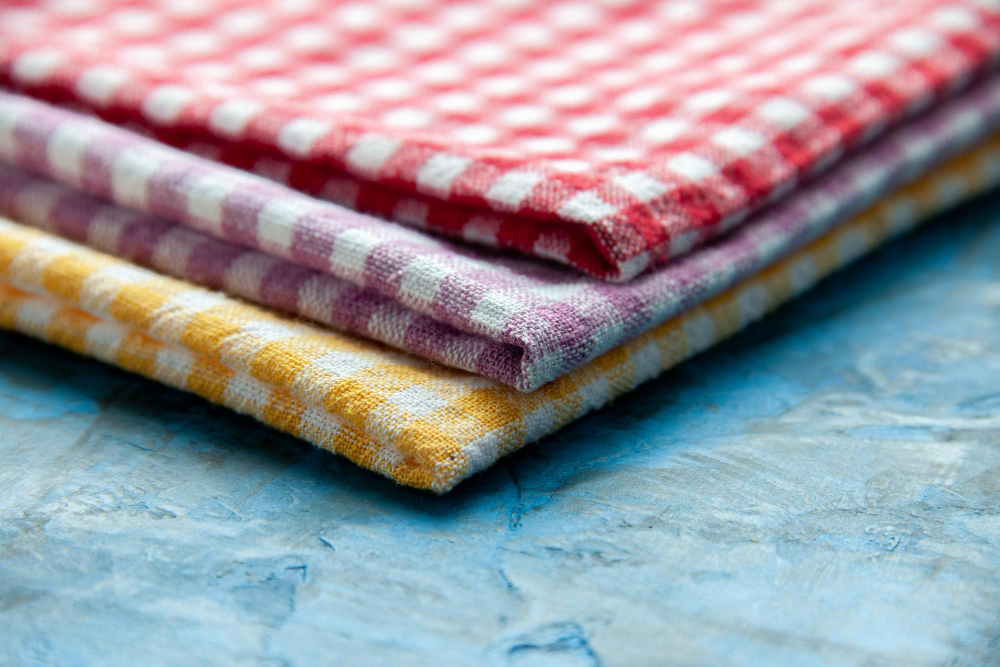
Dry cleaning tablecloths uses special solvents to remove stains instead of water. This helps protect fabric from shrinking, fading, or tearing.
We often see tablecloths get damaged during home washing. Regular machines use heat and movement that many fabrics can’t handle. That’s why choosing the right cleaning method from the start makes a big difference.
Why Do Tablecloths Get Damaged During Cleaning?
What makes tablecloth stains harder to remove than regular laundry?
A tablecloth goes through more than regular clothes. It collects food, oil, drinks, and dust all at once.
These stains often mix together. For example, oil and wine may sit in the same spot. This makes cleaning more difficult.
Why does regular washing ruin delicate fabrics?
Home washing uses strong spinning and heat. Over time, this leads to:
- Fiber weakening
- Color fading
- Shrinking
Many fabrics lose their shape after just a few washes. This is where understanding the type of stain becomes important.
What Types of Stains Require Dry Cleaning Instead of Washing?
What are protein and oil-based stains, and why are they tricky?
Butter, grease, and gravy are oil-based stains. These stick to fabric and don’t mix with water.
So, washing with water doesn’t remove them fully. In some cases, heat can make them harder to remove.
Why are tannin stains like wine and coffee difficult?
Wine, tea, and coffee react to cleaning agents. If the wrong product is used, it can damage the color.
We handle these carefully in our professional tablecloth cleaning process. Each stain type needs a different approach.
Knowing the stain is only part of the process. The fabric also matters.
Which Tablecloth Fabrics Should Never Be Washed at Home?
Is it safe to wash cotton, linen, or lace tablecloths?
Some fabrics can handle light washing, but many cannot:
- Cotton may shrink
- Linen can lose shape
- Lace can tear easily
Even one wrong wash can cause damage that cannot be fixed.
What does ‘Dry Clean Only’ actually mean?
It means water can harm the fabric.
Many premium tablecloths used in events or commercial linen cleaning have this label. It protects the inner structure of the material.
How Does Professional Dry Cleaning Protect Your Tablecloth?
How do solvents remove stains without damaging fabric?
Solvents clean without soaking the fabric in water. This keeps fibers stable. There is also no heavy spinning. So the fabric stays in shape.
What is pre-spotting and why is it important?
Pre-spotting means treating stains before cleaning.
We apply targeted solutions based on stain type. This stops stains from spreading and protects the fabric color. We handle a wide range of home linens every day, which helps us spot issues early and treat them safely. We also use eco-safe, odorless solutions. The tablecloth comes back clean without any strong smell.
We use careful pre-treatment methods to protect both the stain and the fabric.
Can You Dry Clean Tablecloths at Home Safely?
Are home dry cleaning kits effective?
Home kits can help with light stains. But they don’t clean deep stains fully. They mostly clean the surface and may miss hidden residue.
What are the biggest risks of DIY cleaning?
DIY cleaning often leads to mistakes that damage fabric.
Common DIY mistakes:
- Using hot water on oil stains
- Scrubbing too hard
- Ignoring care labels
For valuable or delicate tablecloths, the risk is usually not worth it.
Home Washing vs. Professional Dry Cleaning – What’s the Difference?
| Feature | Home Washing Machine | Express Dry Cleaners |
| Agitation | High (can damage fibers) | Gentle process |
| Temperature | Uncontrolled | Stabilized |
| Stain Removal | Basic cleaning | Targeted treatment |
| Finishing | Home ironing | Steam-press finish |
| Storage | Residue left behind | Clean and ready |
Home washing may work for simple cases. But for better care and long-term use, a tablecloth dry cleaning service is the safer option.
How Do You Handle Delicate or Heirloom Tablecloths?
Why do vintage or lace tablecloths need special care?
Older fabrics become weak over time. They hold their shape but can break easily. Too much heat or pulling can damage them.
How do professionals prevent yellowing over time?
Some stains are not visible at first. Sugar from drinks can turn yellow later.
We remove these hidden residues before storage. This keeps the fabric clean for longer.
In our experience handling delicate linens, the biggest risk isn’t just stains. It’s long-term fabric damage. Proper cleaning keeps tablecloths soft and usable for years.
This is part of our fabric-safe tablecloth cleaning approach.
What Happens During Professional Tablecloth Cleaning?
What is the inspection process before cleaning?
We always check the fabric first. This includes:
- Loose threads
- Weak seams
- Overall fabric strength
If we find a risk, we inform the customer before cleaning.
How does steam pressing improve the final result?
After cleaning, we use steam pressing.
This helps remove deep wrinkles and restores shape. It also gives a smooth, clean finish without damaging the fabric.
When Should You Choose Professional Dry Cleaning?
How do you know it’s time to avoid DIY cleaning?
You should choose professional care when:
- The fabric is expensive
- Stains are heavy
- The tablecloth is for an event
Early cleaning helps avoid permanent damage.
This is why many customers choose to dry-clean tablecloths instead of taking risks at home.
Conclusion
Dry cleaning is not just about stain removal. It helps protect your tablecloth.
With the right care, your fabric stays strong, clean, and ready to use again.
If you want more tips, read our guide on Tablecloth Cleaning Service: Helpful Guide for Spotless Results.
Simple care choices today can prevent damage later.
FAQs
Can all tablecloths be dry cleaned?
Most can, but always check the label first. Some fabrics may need special care methods or gentle handling.
How often should you dry-clean tablecloths?
After heavy use or special events. If used daily, cleaning every few uses helps maintain fabric quality.
Does dry cleaning remove old stains?
Yes, but older stains may need extra treatment. The sooner you treat a stain, the better the results will be.
Is dry cleaning safe for colored fabrics?
Yes. The right process protects color and fabric quality. It also helps prevent fading that can happen with regular washing.