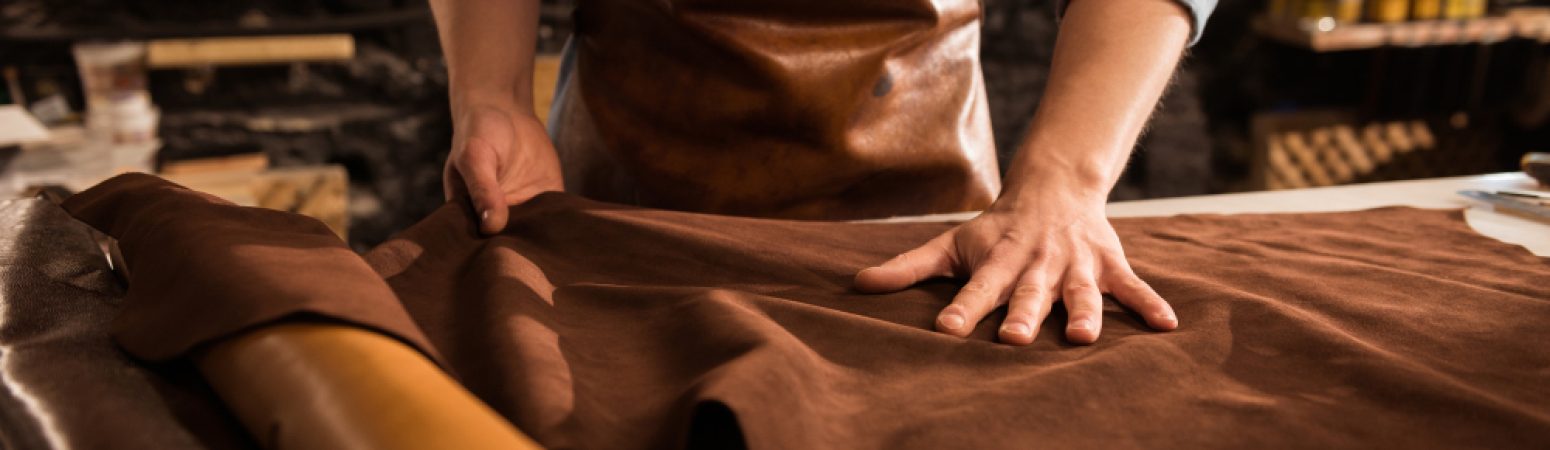
Don’t Let Wear & Tear Ruin Your Favorite Jacket, experience Expert Suede & Leather in Glendale
From salt stains to storage odors, we bring life back to your leather goods.
Suede and leather aren’t just “clothes”, they’re the pieces you reach for when you want to feel confident, polished, and put together. A favorite leather jacket, a suede handbag, or those go-to boots often carry memories (and investment value), so it makes sense to treat them with extra care.
At Express Dry Cleaners, Suedes & Leathers cleaning is designed for items that can’t be handled like everyday fabric. We focus on gentle, material-appropriate cleaning and finishing so your items come back looking refreshed, feeling comfortable, and ready to wear, without the stiffness, dullness, or rough texture that can happen with improper cleaning.
A good service landing page should clearly explain what the service includes, how it works, and what the customer should do next.
This service is ideal for
- Leather jackets, coats, blazers, and vests
- Suede jackets and coats
- Leather and suede skirts, pants, and dresses
- Suede and leather shoes/boots (light cleaning and freshening)
- Leather and suede handbags (surface cleaning and renewal where suitable)
- Specialty items that need careful handling (fashion pieces, delicate finishes)
What you get (and why it matters)
Leather and suede are natural (or natural-like) materials with unique textures, dyes, and finishes. That’s why the goal isn’t only “clean”, the goal is to maintain the look, softness, and shape you love.
1) Specialized inspection before cleaning
Every piece is checked for material type, finish, visible staining, scuffs, color loss, and areas that commonly collect oils (collars, cuffs, pockets, underarms). This step matters because leather and suede can react differently depending on the finish and age.
2) Gentle cleaning that respects the material
Instead of aggressive processes, we use methods chosen to protect the texture and reduce the risk of fading or patchiness. The focus stays on lifting dirt and buildup while keeping the surface as even and natural-looking as possible.
3) Conditioning for comfort and longevity
Leather can dry out over time, especially after exposure to heat, sun, or seasonal storage. Conditioning helps maintain flexibility and supports a smoother finish, so your jacket doesn’t feel stiff and your leather items don’t look tired.
4) Finishing for a “ready-to-wear” look
The finishing step is where suede gets its soft, brushed appearance back and leather gets that clean, well-kept look. It’s the difference between “technically cleaned” and “beautifully renewed.”
Common issues we help with
- Everyday dirt, dust, and dullness
- Light to moderate stains (based on material and stain type)
- Collar/cuff darkening from wear
- Odors from storage, smoke exposure, or day-to-day use
- Minor scuff visibility (where finishing helps)
- Seasonal refresh before packing away or wearing again
Our process (simple, careful, transparent)
You shouldn’t have to guess what happens to your favorite items after drop-off. This is what to expect.
Step 1: Bring in your item (or contact us)
Share the details that matter: how long the stain has been there, whether the item got wet, and if there are areas you’re worried about. The more context you provide, the better the outcome.
Step 2: Material assessment and care plan
We review the piece and determine the safest approach based on its material, finish, color, and condition. If an item has high sensitivity (fragile finish, older leather, heavy color transfer risk), we handle it with extra caution and set realistic expectations.
Step 3: Cleaning + targeted spot attention
We prioritize overall cleaning first, then address spots where safe and appropriate. Some stains can be improved significantly; others may lighten but not disappear completely, especially on suede and porous materials. When the goal is preservation, safe improvement is better than harsh treatment.
Step 4: Conditioning and finishing
Leather is treated to maintain suppleness and comfort. Suede is finished to help restore a more uniform nap and cleaner appearance.
Step 5: Quality check and return
Before your item is returned, we do a final review so it comes back looking consistent and presentable, something you can wear immediately, gift confidently, or store properly for the season.
Caring tips (to keep results longer)
A few simple habits can extend the fresh look after professional cleaning:
- Store leather and suede in a cool, dry place away from direct sunlight.
- Avoid plastic covers for long-term storage; breathable garment bags are better.
- If suede gets wet, let it air-dry naturally, avoid direct heat.
- Use a soft brush for suede between wears to keep the nap looking even.
- Don’t use home stain removers unless they’re specifically made for your material (many cause patchiness or discoloration).
FAQs
1) Can suede and leather be dry cleaned like regular clothes?
Not in the same way. Suede and leather require specialized methods, products, and finishing to avoid stiffness, color loss, or texture damage.
2) Will stains come out completely?
Results depend on the stain type, how long it has been there, and the material/finish. Many stains improve greatly, but some may lighten rather than disappear, especially on suede or porous leather.
3) Do you condition the leather after cleaning?
Conditioning is commonly recommended as part of professional leather care to help maintain softness and flexibility, and it’s often included when appropriate for the item’s finish and condition.
4) My leather jacket smells like smoke/storage, can that be fixed?
Odor removal is often possible, especially for storage smells and mild-to-moderate odors. Persistent odors may require extra attention, but improvement is typically achievable.
5) Can you clean suede boots or shoes?
Light cleaning and freshening may be possible depending on construction, dye stability, and condition. Bring them in for assessment so the safest option can be recommended.
6) What about color restoration for faded leather?
Some pieces can be improved with color renewal techniques, depending on the finish and how the color was originally applied. An inspection helps set expectations before work begins.