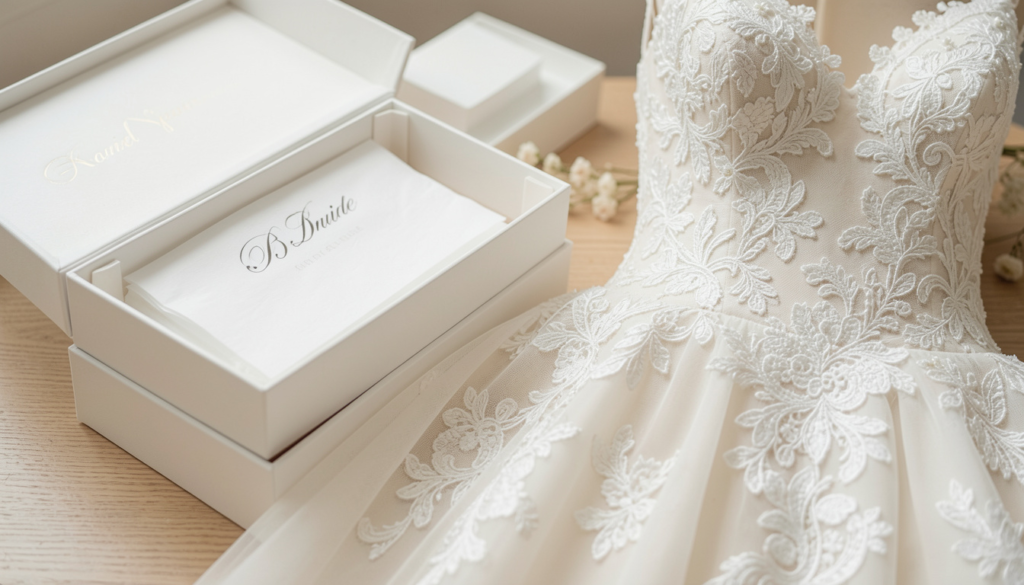
If you’ve searched for bridal dress preservation near me, the short answer is yes, professional preservation is usually worth it. A wedding dress may look clean after the big day, but hidden stains and fabric damage can develop over time if the gown isn’t cleaned and stored correctly.
Many brides think preservation is only about keeping a dress as a memory. However, what we see most often is that preservation is really about preventing damage before it starts.
Why Does a Wedding Dress That Looks Clean Still Need Preservation?
One of the biggest misconceptions is that a dress that looks clean doesn’t need attention.
The truth is that many wedding stains are invisible at first. Champagne, white wine, cake frosting, perfume, makeup, and even sweat can leave behind tiny traces that you may not notice right away.
What Are “Invisible Stains” and Why Are They a Problem?
These hidden residues contain sugars and proteins. Over time, they react with air and begin to oxidize.
Think about what happens when you cut an apple and leave it on the counter. It slowly turns brown. A similar process can happen inside wedding gown fabric.
As months pass, those clear stains can turn into yellow or brown marks. By then, removing them becomes much harder.
How Do These Stains Change Over Time?
We’ve handled gowns that looked spotless when they arrived. Yet during inspection, we found areas where invisible residue had already started affecting the fabric.
Common sources include:
- Champagne and wine splashes
- Sweat, body oils, and frosting residue
- Makeup, perfume, and outdoor dirt
This is one reason many gowns develop yellow spots months after the wedding.
How Soon After My Wedding Should I Preserve My Dress?
Timing matters more than most people realize.
Why Do Experts Recommend the Two-Week Rule?
One thing we’ve observed over the years is that fresh stains are much easier to treat than older ones.
We recommend having your gown professionally cleaned within about two weeks after the wedding whenever possible. During this period, stains haven’t had enough time to bond deeply with the fibers.
Many brides wait until after their honeymoon. Unfortunately, that delay can make stain removal much more difficult.
What Happens When Preservation Is Delayed?
When a gown sits in a closet for months:
- Stains continue to oxidize.
- Fibers can weaken.
- Discoloration becomes harder to reverse.
Acting early gives the fabric the best chance of staying in excellent condition.
Is Every Wedding Dress Cleaning Service Actually the Same?
Not all cleaning methods are created equal.
Can Standard Dry Cleaning Harm Bridal Fabrics?
Wedding gowns often contain delicate materials such as silk, lace, tulle, beads, and sequins.
Some standard cleaning chemicals can be too aggressive for these fabrics. In certain cases, harsh solvents may affect delicate lace details or reduce the natural shine of silk linings.
That’s why bridal garments need a more careful approach than everyday clothing.
What Does a Bridal-Specific Cleaning Process Look Like?
Before cleaning begins, we carefully inspect every gown by hand.
We check:
- Seams and stitching
- Lace sections
- Beading and embellishments
- Areas with visible or hidden stains
This detailed process helps us choose the safest treatment for each fabric type.
Whether someone needs wedding dress restoration, gown cleaning and boxing, or complete wedding dress cleaning and preservation, the condition of the gown should guide the process.
What Are You Actually Paying for With Professional Preservation?
Many people think preservation is simply cleaning followed by putting the dress in a box.
There’s much more involved.
Wardrobe Storage vs. Archival Preservation
| Feature | Standard Closet Storage | Express Professional Preservation |
| Cleaning Method | Regular cleaning or none | Hand-inspected bridal-safe treatment |
| Long-Term Protection | Vulnerable to yellowing | Museum-grade anti-yellowing defense |
| Packaging Material | Plastic garment bags | Acid-free archival window boxes |
| Structural Support | Hanger strain on seams | Flat storage with tissue buffering |
| Accessories | Dress only | Veils, gloves, headpieces, and garters |
Why Aren’t Garment Bags Enough?
Many garment bags trap moisture and limit airflow. Over time, that environment can contribute to discoloration and fabric deterioration.
Preservation focuses on creating conditions that help the gown stay stable for years rather than months.
What Makes Museum-Grade Wedding Gown Preservation Different?
The storage materials matter just as much as the cleaning itself.
Why Are Acid-Free Boxes So Important?
Standard cardboard contains lignin. As it breaks down, it releases acids that can slowly yellow white fabric.
For long-term wedding gown preservation and bridal gown preservation, acid-free materials help protect against this problem.
That’s why we use acid-free preservation boxes and pH-neutral tissue paper designed for delicate fabrics.
Why Should Heavy Gowns Be Stored Flat?
A heavily beaded wedding gown can be surprisingly heavy.
When a dress hangs for years, gravity pulls on the shoulders and seams. This can stretch fabric and distort the gown’s original shape.
A proper wedding dress preservation service nearby should support the gown with tissue buffering and flat storage methods that reduce stress on the fabric.
How Can You Tell If a Bridal Preservation Service Is Trustworthy?
A reliable preservation company should be honest about what is possible.
Should You Trust “Perfect Restoration” Promises?
We believe transparency matters.
While modern stain removal techniques are highly effective, some older stains may only lighten rather than disappear completely. Protecting the fabric should always come before chasing unrealistic results.
Can You Open a Preserved Dress Box Later?
Yes.
Some brides worry that opening a preservation box will ruin the preservation process. That’s not usually the case.
You can inspect the gown or show it to family members. Just make sure the area is clean, avoid direct sunlight, and return the dress to flat storage afterward.
Final Thoughts: Is Professional Bridal Dress Preservation Worth It?
For most brides, the answer is yes.
The biggest risk isn’t what happened during the wedding. It’s what happens afterward. Hidden stains, poor storage materials, and fabric stress can slowly damage a gown that once looked perfect.
Professional preservation helps prevent those problems before they become permanent. More importantly, it gives your dress the best chance of staying beautiful for years to come.
FAQs
How long after my wedding should I preserve my dress?
It’s best to have your gown cleaned and preserved within two weeks. Fresh stains are easier to remove before they have time to set into the fabric.
What’s the difference between wedding dress cleaning and preservation?
Cleaning focuses on removing stains and dirt. Preservation includes cleaning plus long-term archival storage methods designed to protect the gown for years.
Is having my bridal dress preserved locally better than mailing it away?
Local preservation often allows faster service and direct communication. It also gives you the opportunity to discuss concerns face-to-face with the team handling your gown.
Can I store my wedding dress in a garment bag instead of preserving it?
A garment bag works for short-term storage. However, it isn’t ideal for long-term protection because moisture and environmental factors can still affect the fabric.
Will professional preservation damage beads, sequins, or lace?
A bridal-focused preservation process should be designed to protect delicate details. Careful inspection and fabric-specific cleaning methods help reduce risk.
Is wedding dress preservation necessary if I never plan to wear it again?
Yes. Even if the gown stays in storage, hidden stains and fabric aging can still occur. Preservation helps protect it from those long-term issues.
Can a yellowed wedding dress be restored years later?
Sometimes it can. Results depend on the fabric, the type of stain, and how long the discoloration has been present. Early treatment usually leads to better outcomes.